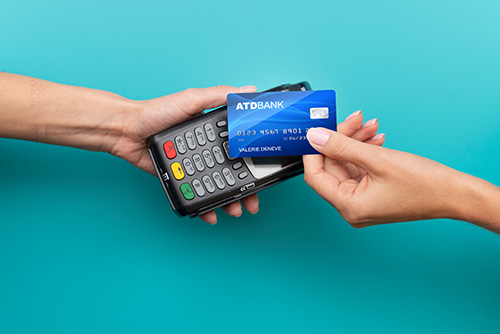
Compared to cash, credit cards and debit cards are significantly more convenient. After all, swiping or tapping a card is a lot easier than counting out dollar bills, or perusing your wallet to find exact change. Additionally, both of these payment methods enable you to make purchases online and then track your transactions to review your financial health.
While credit cards and debit cards have some similarities, they function in fundamentally different ways. Below, we’ll review each of their pros and cons so you can select the type of card that best suits your needs.
Understanding Credit and Debit Cards
Visually, it’s hard to distinguish between credit cards and debit cards. Both types of cards are made of plastic and typically showcase:
- 16-digit card numbers
- Expiration dates
- 3-digit CVC codes
- Magnetic strips
- EMV chips
You can also obtain both types of cards from most financial institutions (though credit unions often provide the best perks). However, that’s where these payment methods’ similarities end.
The most notable difference between credit cards and debit cards is their source of funds. With credit cards, you borrow money from your credit card company temporarily. With debit cards, the money is immediately withdrawn from your own checking account.
Pros and Cons of Credit Cards and Debit Cards
If you’re trying to decide between using a credit card or a debit card, you should familiarize yourself with their pros and cons first.
Pros of Credit Cards
- Rewards programs – Rewards credit cards enable you to earn points, a certain percent cashback, or other types of rewards every time you swipe. Over time, these rewards can add up to valuable perks.
- Credit history – Credit cards are a form of credit. As such, they can build up your credit history over time. By making your credit card payments on time, you can establish a positive credit history and earn a high credit score.
- Financial flexibility – While it’s a good idea to save up an emergency fund, yours may not be sufficiently funded at all times. A credit card can help you finance emergency expenses you couldn’t afford otherwise.
- Comprehensive fraud protection – When you swipe your credit card, you’re technically spending your lender’s money. Thus, your money isn’t on the line. For this reason, many people feel a greater sense of security using credit cards for online purchases. What’s more, you can only be held liable for fraudulent credit card charges up to $50, according to the Fair Credit Billing Act. Your lender may help you resolve disputes with merchants that wrongfully charge your card. This level of fraud protection is rare to find with debit cards.
Cons of Credit Cards
- Risk of going into debt – Having access to a credit card may tempt some consumers to spend beyond their means. Credit card balances that aren’t paid off in full each month can accrue costly interest. Considering that the average credit card interest rate is currently 24.54%, some consumers can find themselves deep in debt if they’re not careful.
- Credit score damage – Credit cards can be beneficial or harmful to your credit score—it ultimately depends on how you manage them. Missing payments, maxing out your credit limit, and opening several new credit card accounts within a few months have the latter effect.
- Expensive fees – Credit card companies may charge costly annual fees, ranging from $25 to $550. Beyond that, credit cards can come with cash advance fees, foreign transaction fees, balance transfer fees, late payment fees, and returned-payment fees.
Benefits of Debit Cards
- Supports conscious spending habits – Many consumers find that debit cards help them keep their spending in check. After all, your checking account balance will reflect your spending habits in real time.
- Doesn’t involve debt – Debit cards aren’t a form of financing, so they won’t put you at risk of going into debt. Better yet, you won’t owe any interest on the money you spend.
- No annual fees – Most debit cards don’t charge annual fees.
- Easy to obtain – While you typically need a good credit score to qualify for a credit card, almost anyone can get a debit card—you just need a home address and a valid government ID.
- Affordable cash withdrawals – Debit cards allow you to withdraw cash for free from your financial institution’s ATMs, or a network of approved ATMs.
Cons of Debit Cards
- Less robust fraud protection – Some debit cards offer excellent fraud protection, but not all of them. The Electronic Funds Transfer Act states that debit card consumers can be held 100% liable for fraudulent purchases if they don’t report them within 60 days. Those who report fraud within two days or 60 days can be held liable for up to $50 or $500, respectively.
- Overdraft fees – If you don’t keep a close eye on your checking account, you may accidentally make a purchase that exceeds its remaining balance. In this case, you can incur an overdraft fee.
- No access to emergency financing – Unlike credit cards, debit cards don’t offer much help during emergencies. If you don’t have enough money saved up to cover an urgent expense, you won’t be able to afford the costs.
- No credit-building benefits – Debit cards won’t help you build your credit history or bolster your credit score.
- No rewards – Debit cards rarely allow you to earn rewards on your expenditures, though some credit unions do offer debit reward programs.
Side-by-Side Comparison
Credit cards and debit cards both have a lot to offer. Credit cards can help you earn rewards, establish your credit history, and provide a financial buffer during emergencies. Meanwhile, debit cards can streamline your shopping experience without exposing you to the risk of overspending or going into debt. Here is a chart to help you visualize the more salient pros and cons of credit cards vs. debit cards:
| Pros | Cons | |
| Credit Cards | – Convenience and flexibility for purchases. | – Risk of overspending and debt accumulation. |
| – Building credit history and credit score. | – Potential for high interest rates and fees. | |
| – Rewards programs and cashback offers. | – Risk of identity theft and fraudulent charges. | |
| Debit Cards | – Helps control spending and stick to a budget. | – Limited liability for unauthorized transactions. |
| – No risk of accruing debt. | – May not offer the same rewards and benefits as credit cards. | |
| – Convenient access to cash through ATMs. | – Potential restrictions for certain types of transactions. |
Credit Cards vs. Debit Cards: The Bottom Line
Ultimately, the right payment method is a matter of personal preference. You can also use a combination to get the best of both worlds. If you’re in the market for a new credit card or debit card, obtaining one from a credit union can set you up to enjoy:
- Low interest rates
- High saving rates
- Fewer fees
- Exceptional customer service
- Access to educational resources